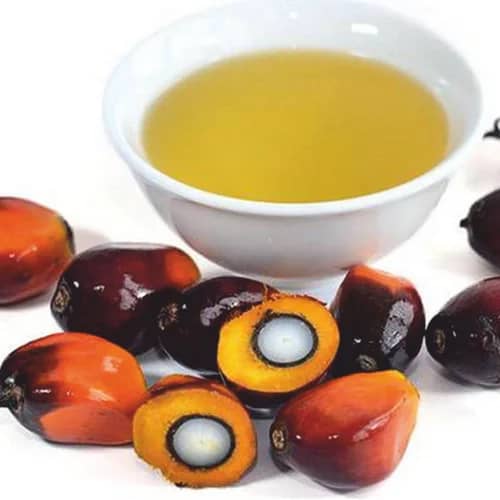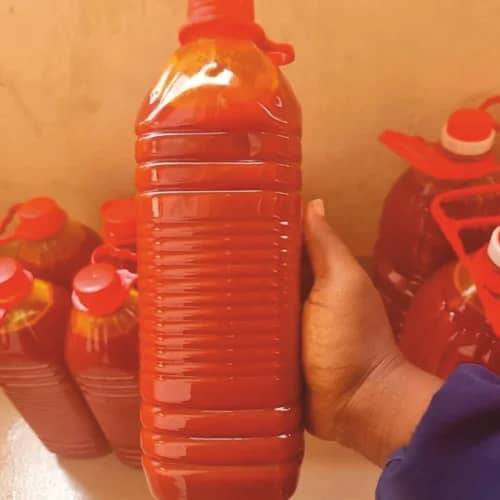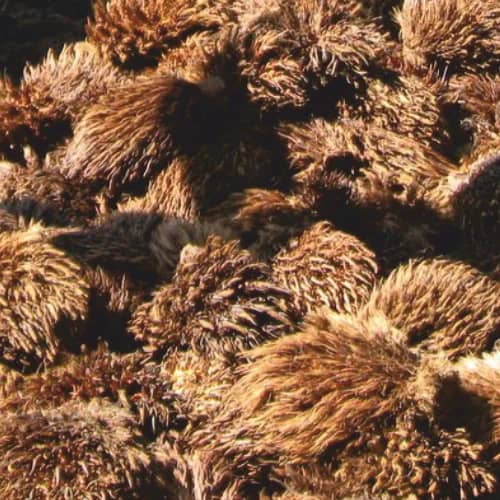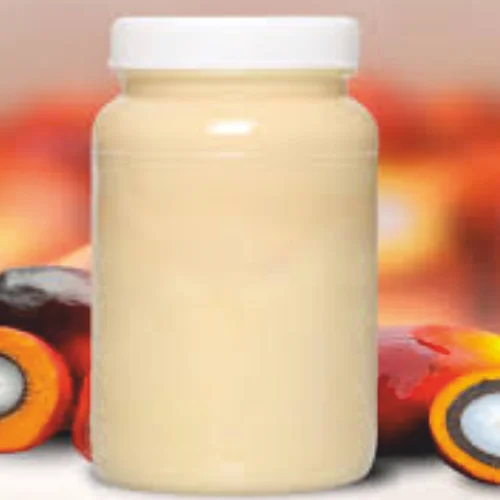
If you only track one parameter on a crude palm oil contract, track free fatty acid. It drives the price and the refining loss, and unlike almost every other quality issue in this supply chain it cannot be fixed after the fact.
What FFA is
Palm oil is mostly triglycerides, meaning three fatty acid chains attached to a glycerol backbone. Free fatty acids are chains that have broken away from that backbone. In crude palm oil they are reported as a percentage, calculated as palmitic acid.
A fresh, well-handled cargo sits at 3–5%. A poorly handled one can reach 10% or more, at which point it is no longer export grade and trades at a steep discount.
Where it comes from
Two mechanisms release fatty acids from the triglyceride:
- Enzymatic hydrolysis. Oil palm fruit contains a lipase enzyme. The moment the fruit is bruised or detached from the bunch, that enzyme starts cleaving fatty acids from the triglycerides. It works fast, and it works inside the fruit, before pressing.
- Oxidation and hydrolysis in storage. Slower, driven by heat, moisture and air exposure after the oil is extracted.
The first mechanism dominates, and it is why FFA is decided at the plantation rather than the mill.
Sterilising the fruit with steam deactivates the lipase. Every hour between cutting the bunch and sterilising it is an hour the enzyme keeps working. That window decides the outcome.
Why the timeline matters more than the equipment
A modern mill fed with three-day-old fruit will produce high-FFA oil. A basic mill fed with fruit pressed the same day will produce good oil. This surprises buyers who assume processing technology is the variable, and it explains why supply chain control matters more than plant specification in this commodity.
It also explains why smallholder-sourced palm from Nigeria has historically had a poor FFA reputation. The cause is not the growers. It is the aggregation model, where fruit passes through several hands and sits at each one. Buying at the farm gate and moving fruit directly to the mill removes those layers, and the FFA result follows.
What FFA costs you as a buyer
Free fatty acids are removed during the neutralisation stage of refining, and they leave as PFAD. So every point of FFA costs you three things:
- Oil you paid for that never becomes refined product, since refining loss runs at roughly 1.2 to 1.4 times the FFA percentage
- Additional caustic soda and processing cost
- More PFAD, which has value but far less than refined oil
At 5% FFA you lose around 6 to 7% of the mass to neutralisation. At 10% you lose closer to 13%. That is the entire reason the specification exists.
The other parameters, briefly
FFA does not travel alone on a certificate of analysis:
- Moisture and impurities (M&I), typically 0.5% max. High moisture accelerates further hydrolysis in storage, so it compounds the FFA problem.
- Deterioration of bleachability index (DOBI), typically 2.3 minimum. It measures how well the oil will bleach. A low DOBI means the carotene has oxidised and colour will be hard to remove.
- Iodine value, 50 to 55 for palm. It describes unsaturation and therefore melting behaviour, and it is more about identity than quality.
What to ask your supplier
Ask when the fruit is pressed relative to harvest, and ask where the fruit comes from. A supplier who can answer both is controlling the variable that matters. One who talks only about their laboratory is testing a result they had no hand in.
And insist on independent pre-shipment analysis. FFA continues to develop slowly in storage and transit, so a result from loading is the honest baseline for any arrival dispute.