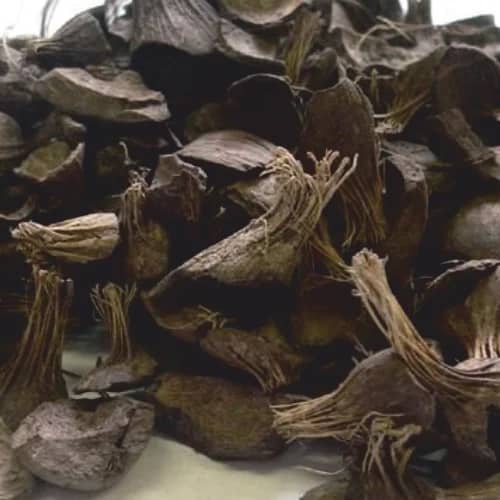
Palm kernel shells have gone from a mill disposal problem to an internationally traded fuel in about fifteen years. The reason is straightforward. Among solid biomass, PKS is unusually good, and it is good in exactly the ways an industrial boiler operator cares about.
The numbers that matter
- Gross calorific value: 4,200 to 4,500 kcal/kg (17.5 to 18.8 MJ/kg)
- Moisture: 10 to 12% as received, without drying
- Ash: 3 to 5%
- Sulphur: below 0.1%
- Bulk density: around 620 kg/m³
Set that against steam coal at 5,500 to 6,500 kcal/kg and you burn modestly more by mass. In exchange you get near-zero SOx, far lower ash, and a fuel that counts toward renewable obligations.
Set it against wood pellets and the comparison is better still. Similar energy content, no pelletising step, better handling density, and far less tendency to heat spontaneously in storage.
Why it handles like a mineral fuel
This is the underrated advantage. PKS arrives dense, dry, free-flowing and uniform. It conveys, stores and feeds through equipment designed for coal without the bridging, dust explosion risk and moisture management that loose agricultural residues demand.
Most co-firing installations blend PKS with coal at 10 to 30% without modifying the boiler. Higher ratios and standalone biomass operation are both routine where the plant was designed for it.
The practical failure mode with PKS is not combustion. It is fibre and dust contamination from poor screening. Specify a limit, and inspect against it.
What to specify
Particle size. Standard is 5 to 15 mm screened. If your feed system has a tighter tolerance, say so at the quotation stage. Screening to a narrower band is straightforward at origin and impossible at destination.
Foreign matter. Under 3% fibre, dust and kernel residue is a reasonable commercial standard. Unscreened material can run far higher, and it will cost you in both calorific value and handling trouble.
Moisture. 10 to 12% maximum. PKS is naturally low in moisture, so a high figure signals wet storage rather than anything inherent to the material.
Calorific value. Ask for it on a gross basis and confirm the test method. Confusion between net and gross figures is a common source of apparent disagreement between two honest parties.
The sustainability case, honestly stated
PKS is a residue. The palm was grown for oil, and the shell is what remains after the kernel is cracked. No land is cleared to produce it and no food crop is displaced by it. That is a stronger position than most biomass fuels can claim, and it is why PKS qualifies under several renewable energy certification schemes.
The legitimate question is upstream. Was the palm itself sustainably grown? That is a traceability question, and any serious supplier should be able to engage with it rather than deflect. Ask where the shells come from and whether chain-of-custody documentation is available for your certification regime.
Beyond the boiler
PKS is not only a fuel. It is also:
- Feedstock for activated carbon, where the hard, dense structure is an asset
- Raw material for charcoal and briquettes
- Aggregate for road surfacing and construction fill
- Landscaping mulch, where it lasts far longer than bark
The energy market sets the price, but these outlets matter when energy demand is seasonal.
Practical logistics
PKS ships in bulk with a container liner, or in one-tonne jumbo bags. Bulk maximises payload, while bags suit buyers without bulk discharge facilities. A 20 ft container holds roughly 25 tonnes.
Store under cover on hard standing. PKS is much less prone to self-heating than wood chip or pellets thanks to its density and low moisture, but keeping it dry protects the calorific value you paid for. Moisture is the one thing that turns a good fuel into a mediocre one between loading and combustion.